Reset Password

Your search results
12 October 2026

The MRT3 Effect: Which KL Neighborhoods are the Next Gold Mines?

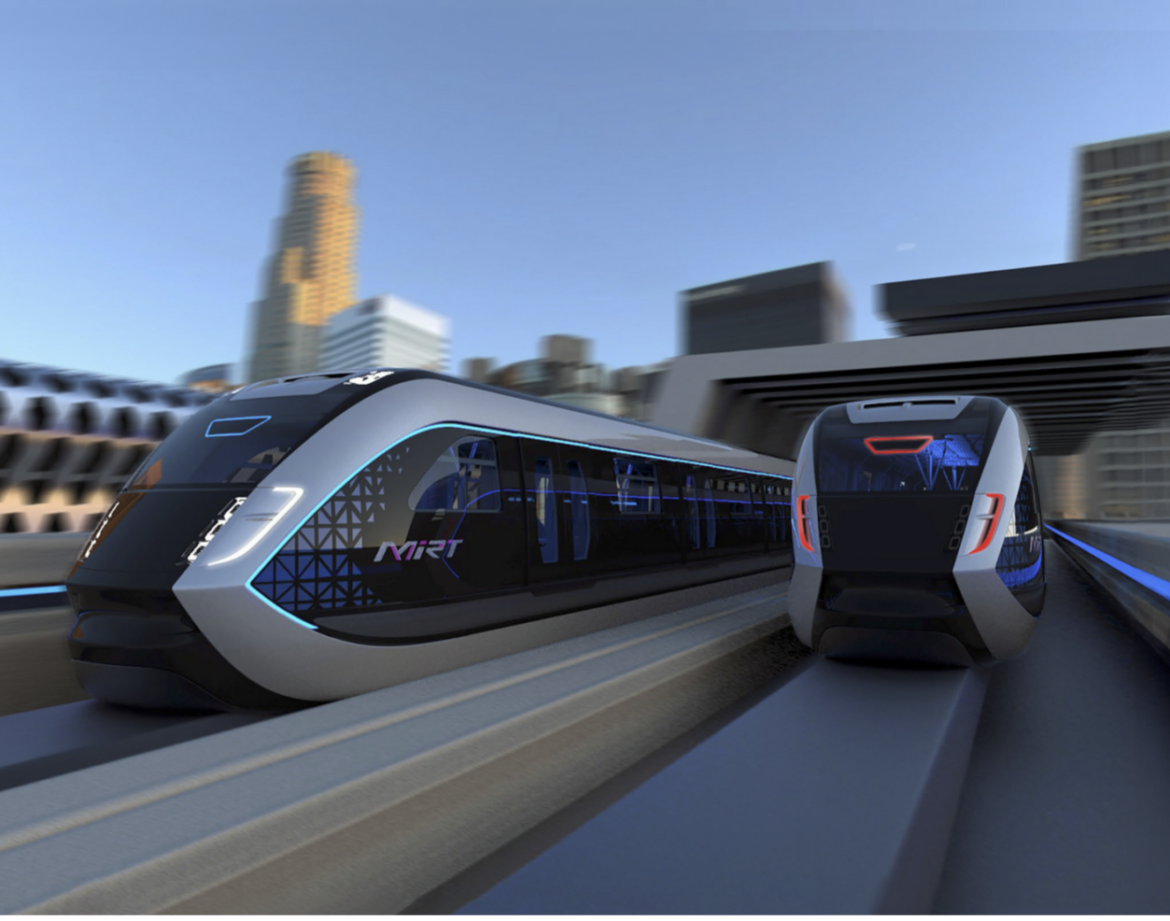
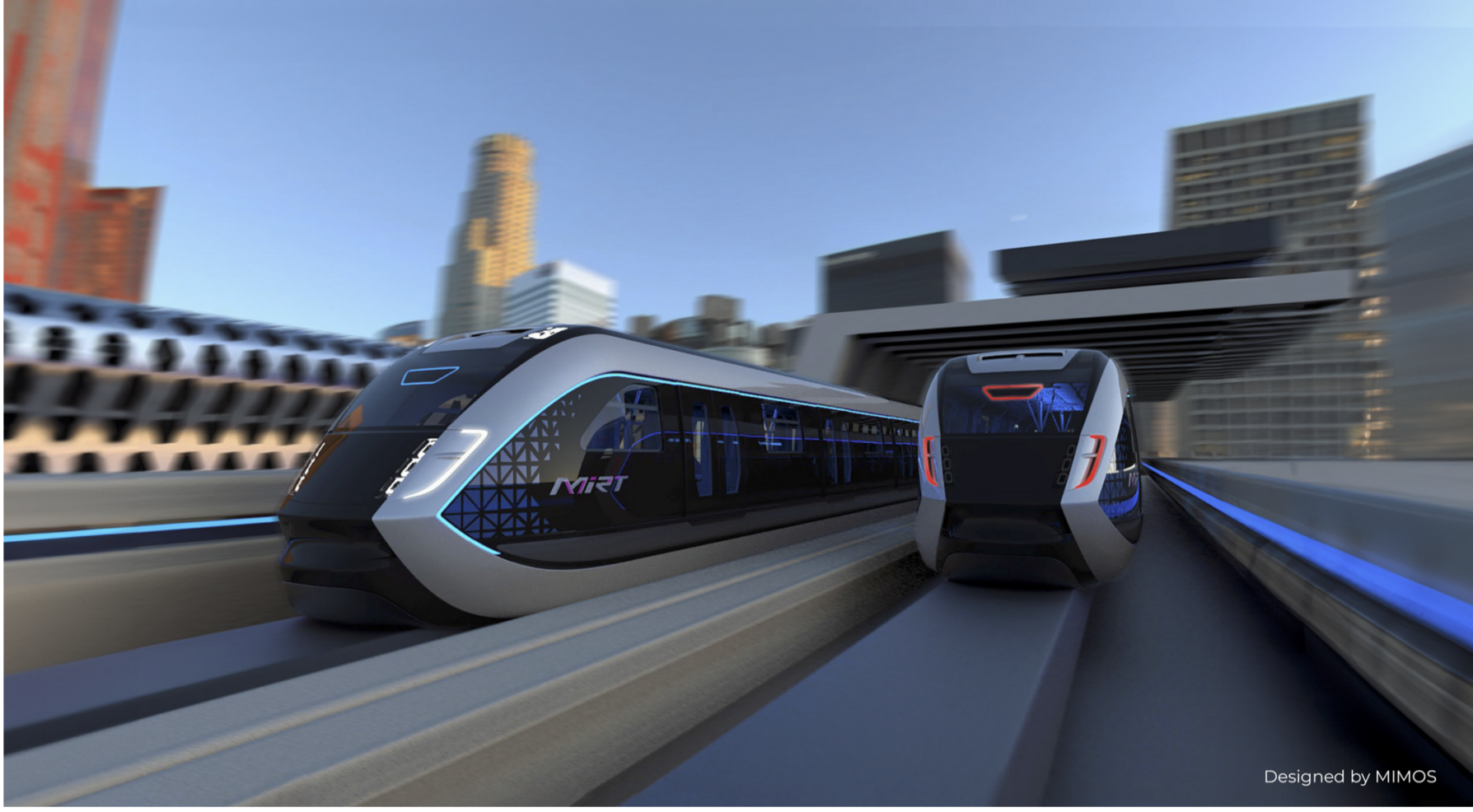
The MRT3 Circle Line is the final piece of Kuala Lumpur’s transit puzzle, and its impact on property values in 2026 is becoming impossible to ignore. Traditionally “undervalued” pockets like Setapak, Sentul, and Bandar Sri Damansara are shedding their reputations as aging suburbs and transforming into high-demand transit hubs. As the 51km loop connects existing radial lines, these neighborhoods are finally gaining the seamless connectivity to the city center and Petaling Jaya that they previously lacked. Smart investors are pivoting toward these areas now, recognizing that the “last mile” connectivity offered by the Circle Line is the primary driver for capital appreciation in an increasingly congested Klang Valley.

The market data already reflects this “MRT3 Premium.” Properties within a 500-meter radius of future stations are seeing price surges of 15% to 20% compared to similar developments just a few kilometers away. In Setapak, the introduction of integrated transit is attracting a new demographic of young professionals who were previously deterred by the lack of rail access. Similarly, in Sentul, the intersection of the MRT3 with existing KTM and LRT lines is creating a “super-hub” effect, driving up rental yields as tenants prioritize a car-free lifestyle. This gap between Transit-Oriented Developments (TOD) and non-transit properties is widening, making proximity to a Circle Line station the new gold standard for resale liquidity.

For those looking to enter the KL property market in 2026, the window of opportunity in these “Gold Mine” neighborhoods is narrowing but still accessible. Unlike the saturated markets of KLCC or Mont Kiara, places like Bandar Sri Damansara offer a more balanced entry point with significant “upside” potential once the line is fully operational. The shift toward high-density, mixed-use projects around these stations is creating a “city-within-a-city” vibe, where retail, work, and living spaces are stacked vertically. By securing a unit in these emerging zones now, buyers aren’t just purchasing real estate; they are banking on the future of KL’s urban mobility and the inevitable appreciation that follows world-class infrastructure.

Category: Uncategorized
Share

Leave a Reply

Your email address will not be published.