The Heat Is On: 3 Must-Try Nasi Lemak Gems in KL
Nasi lemak is not just food in Malaysia; it is a unifying force, a cultural icon, and a dish that evokes passion in every local. Whether you prefer it as a humble morning packet or a gourmet feast with rempah-marinated chicken, the standard components remain: fragrant coconut milk rice, spicy sambal, crunchy anchovies, peanuts, cucumber, and a hard-boiled egg. But in a city overflowing with options, which ones truly stand out? We’ve curated a list of three famous nasi lemak establishments, each a legend in its own right, that you absolutely need to cross off your culinary bucket list.
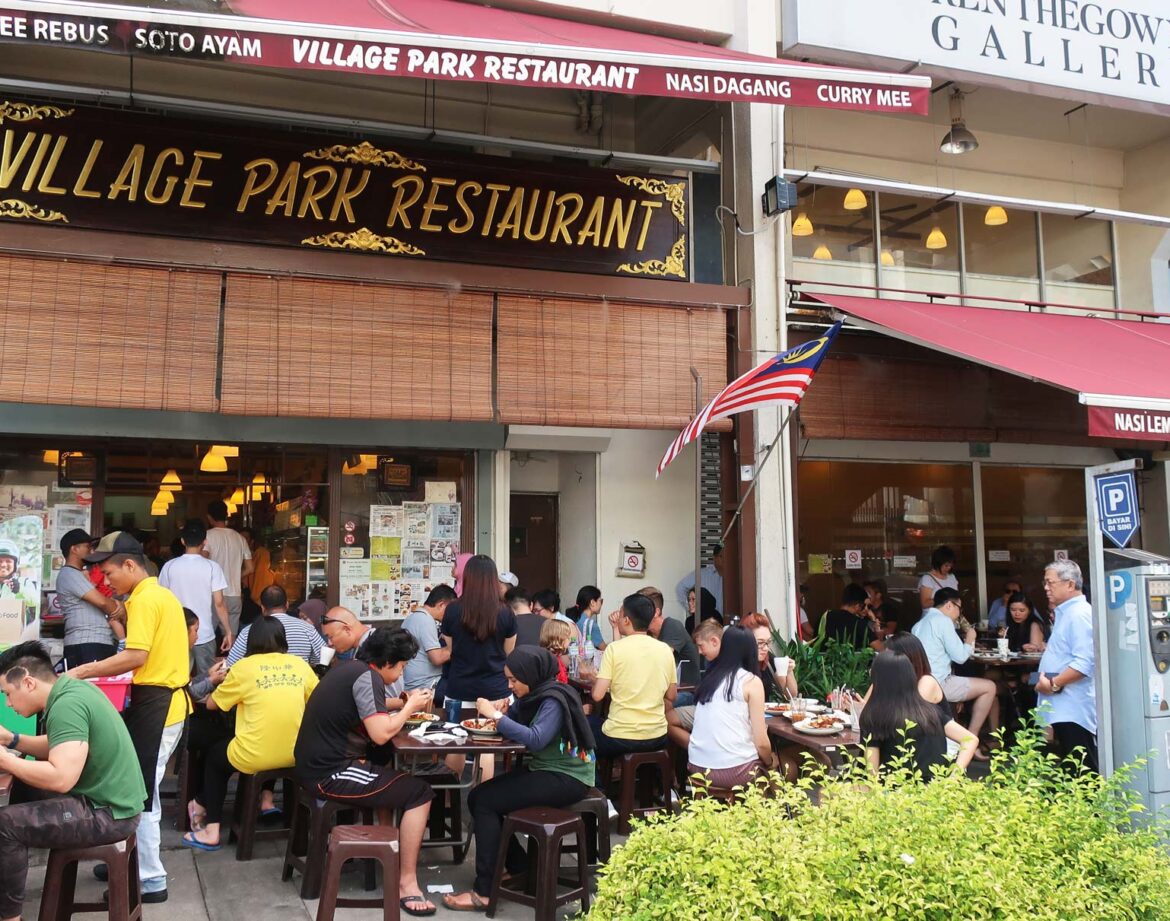
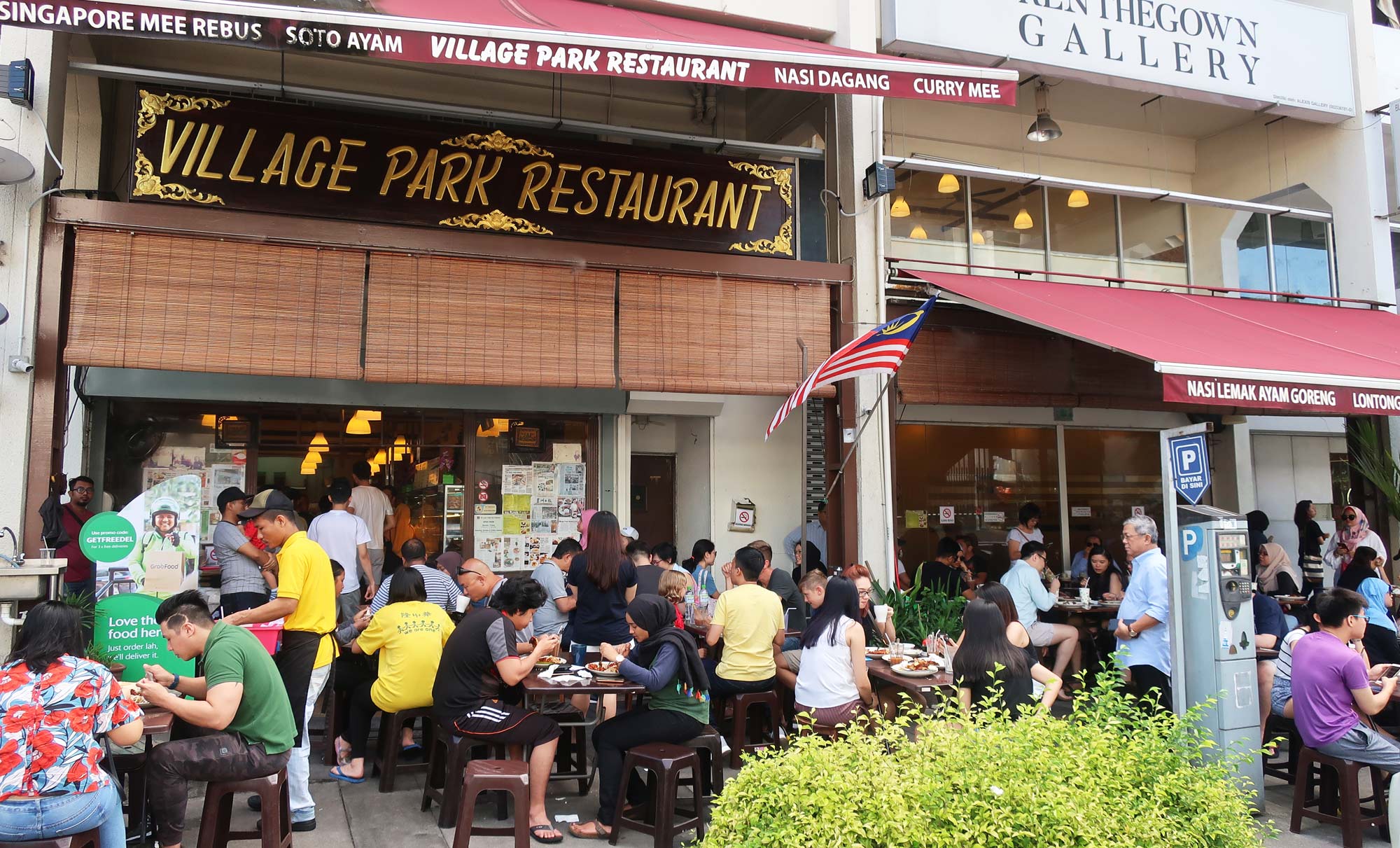
If there is one name that dominates the modern nasi lemak conversation, it is Village Park. Located in the bustling hub of Damansara Uptown, this restaurant has achieved near-mythical status. It is so famous that it has hosted Prime Ministers and is often the first stop for tourists seeking an authentic, high-quality Malaysian meal. But what makes it so legendary?
Why it’s famous: Unrivaled, shatteringly crispy spiced fried chicken, consistent quality, and fragrant, fluffy rice.
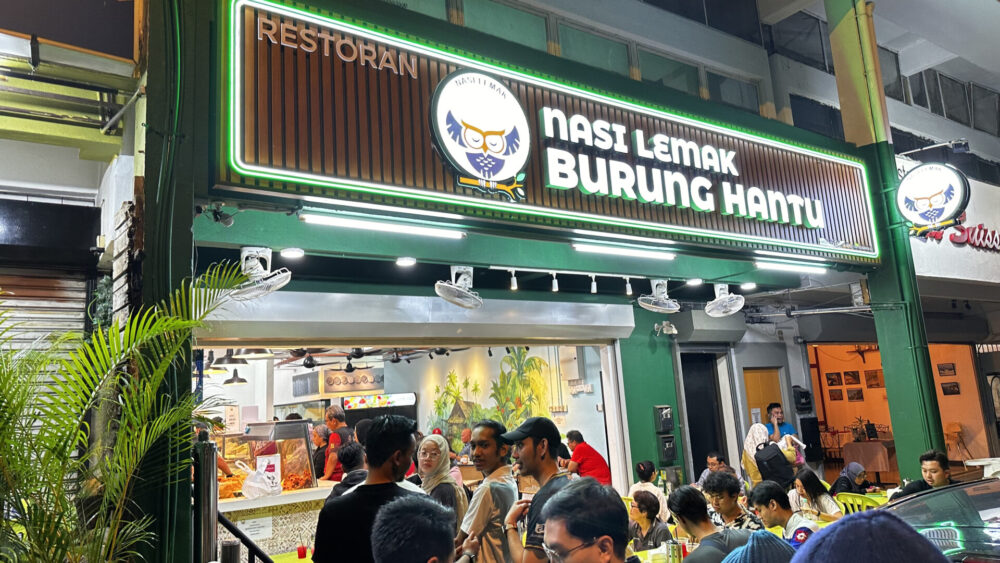
As dusk falls, another legend awakens. For the night owls, supper hunters, and anyone craving a rich meal in the early hours of the morning, Nasi Lemak Burung Hantu in Taman Tun Dr Ismail (TTDI) is the go-to destination. Its name, “Burung Hantu” (Owl), is a fitting tribute to its status as a savior for those seeking a post-midnight fix, with some locations operating until 4:00 AM.
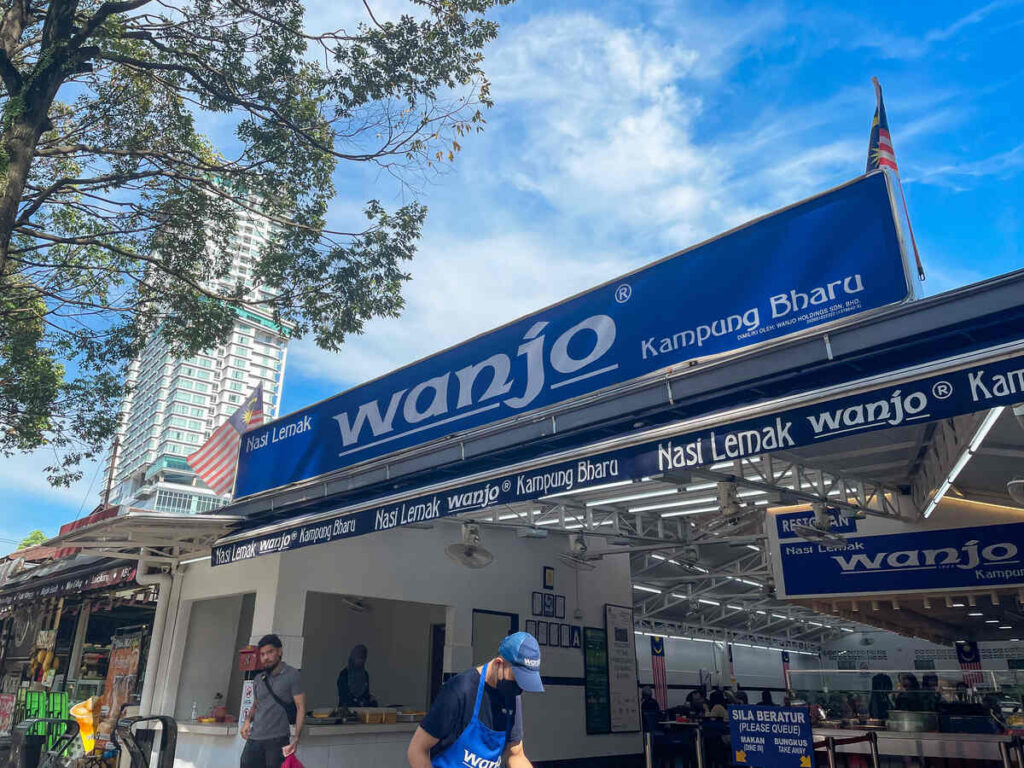
3. The Heritage Icon: Nasi Lemak Wanjo Kampung Baru
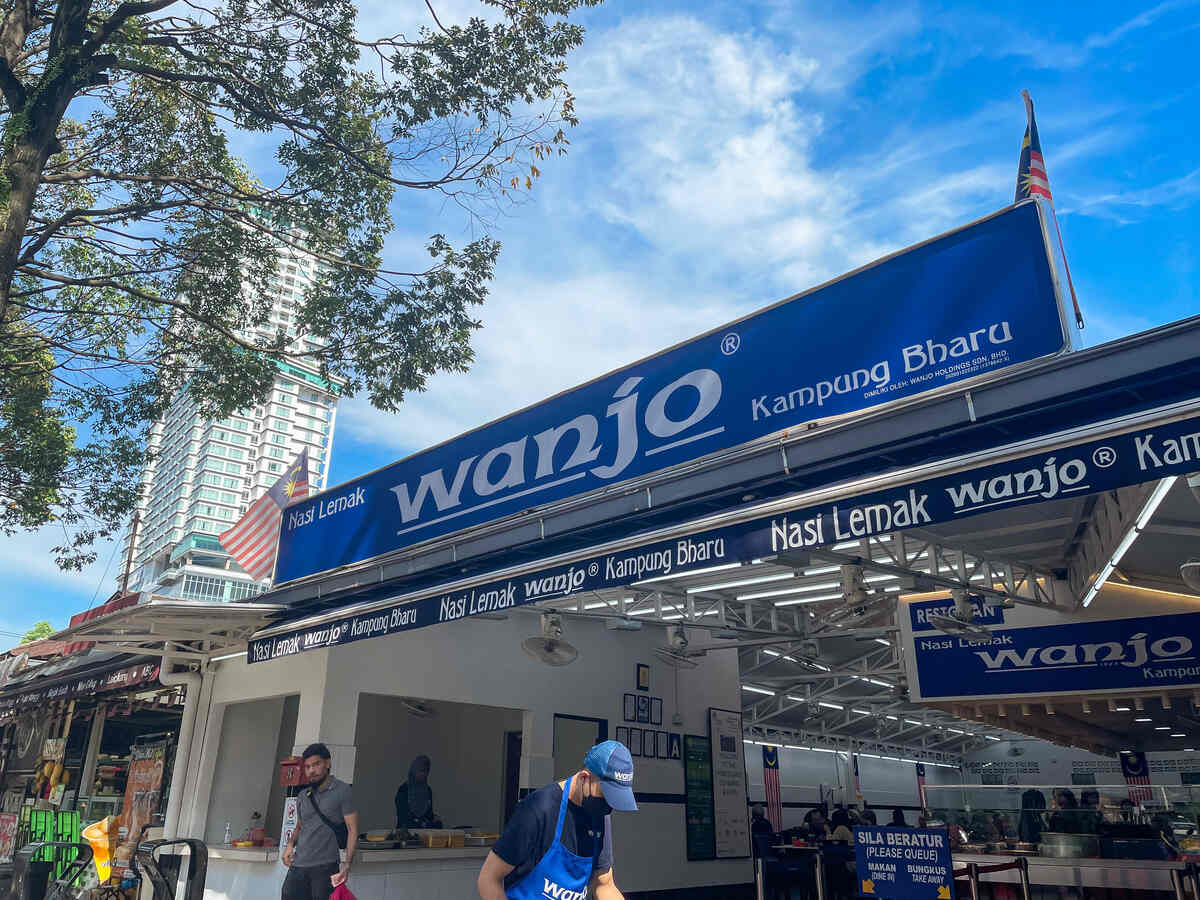
To truly understand nasi lemak, you must visit its heritage heart. Nestled in the traditional Malay enclave of Kampung Baru, Nasi Lemak Wanjo is an icon that has stood the test of time. Founded in 1963 as a roadside pushcart, it has evolved into a bustling landmark that satisfies generations of loyal customers from morning until midnight. It represents the authentic, classic soul of Malaysian street food.
Why it’s famous: A legendary Kampung Baru classic since 1963, perfectly fragrant, santan-rich rice, and a traditional sweet-savoury sambal